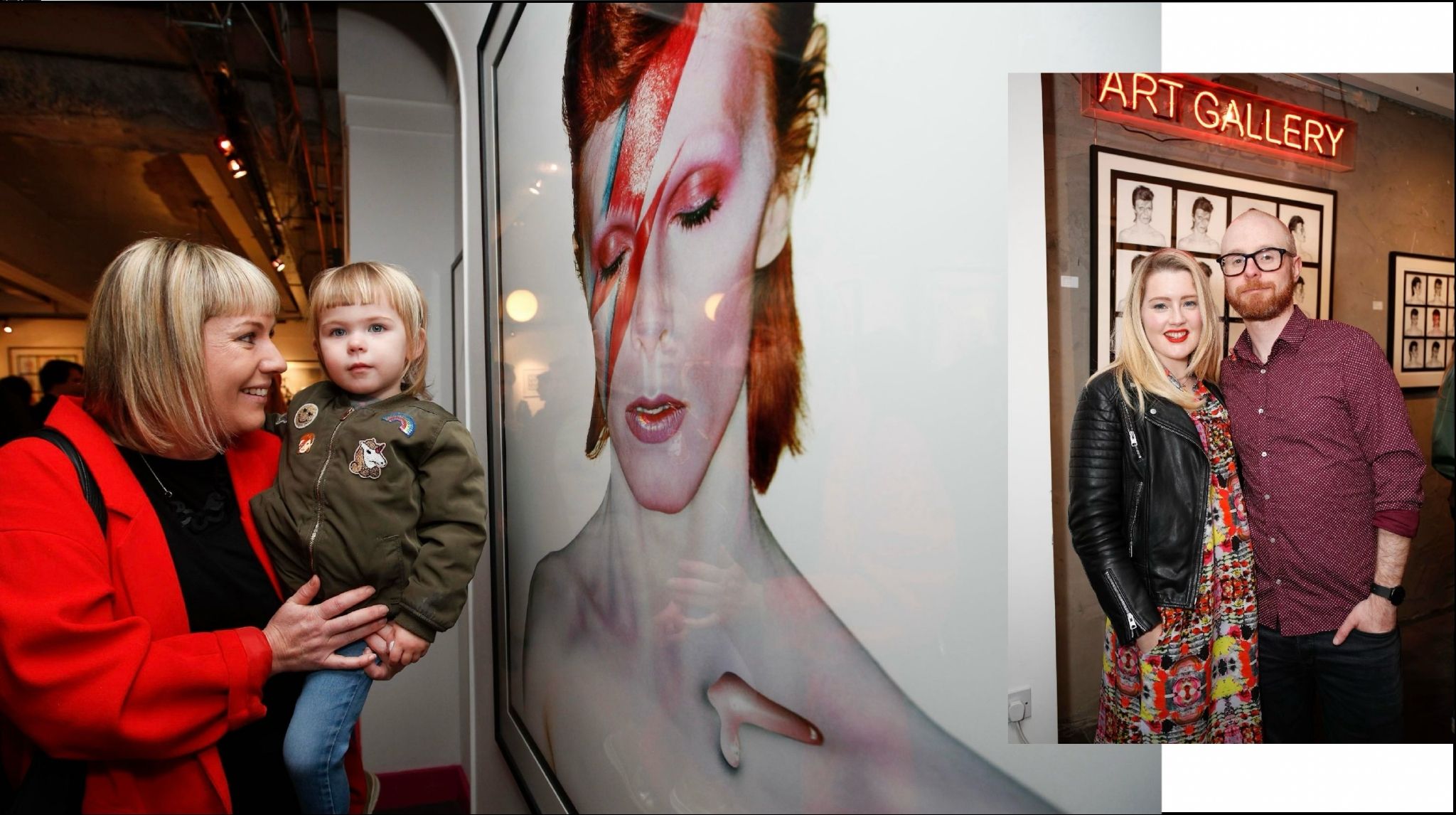
Where it all started…
By Ebow Founder David Douglas.
I founded Ebow in 1999 while studying Computer Science at Trinity College Dublin. I never finished college.
Instead, I read, watched, listened and learned.
I trusted my instincts and slowly worked out what sort of business I wanted Ebow to become.
Over the years, the agency has travelled a fairly long, and oftentimes tricky, road.
I started the agency in my bedroom when I was 22. Since then we have survived the dot-com crash, the 2008 financial crisis, several different versions of itself, good clients, bad clients, a pandemic, AI (work in progress!) and all the enormous and sometimes mind-blowing changes that have happened to technology, web design and digital marketing since the late 1990s.
And yet, here we still are.
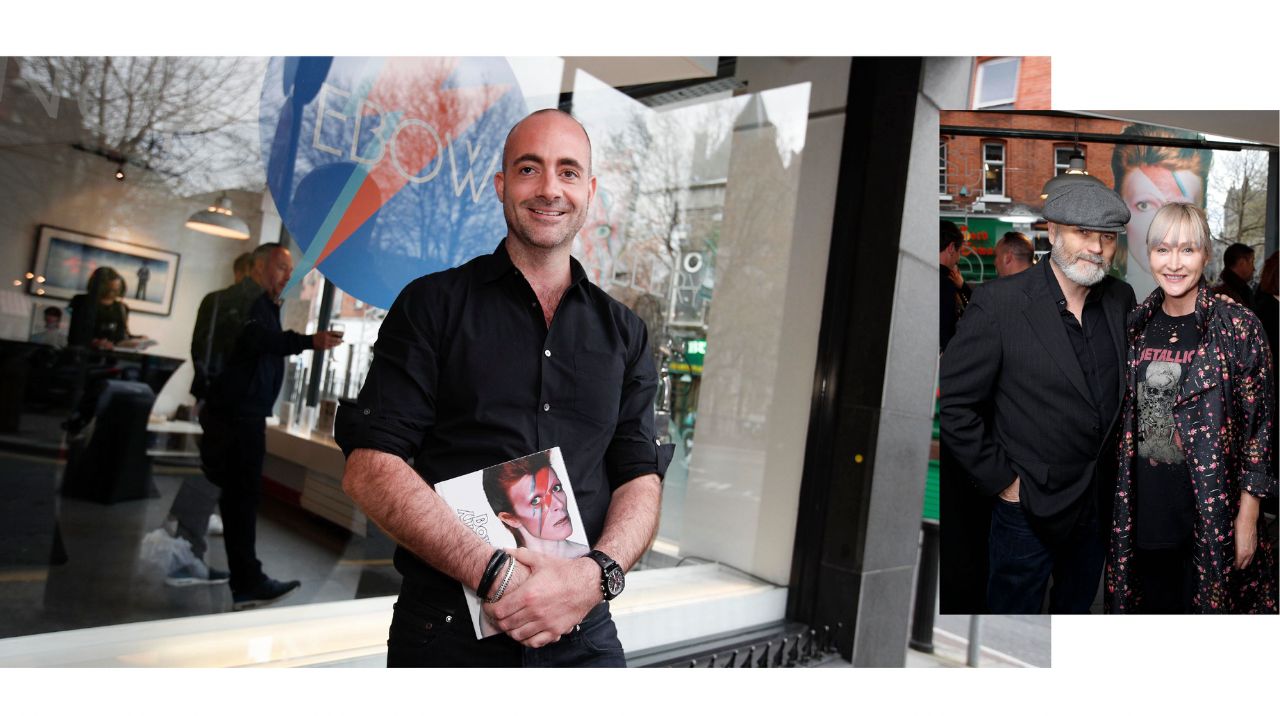
This is the story of some of the ideas, music (lots of music), people, books (lots of books), art and experiences that have shaped me, and ultimately Ebow along the way.
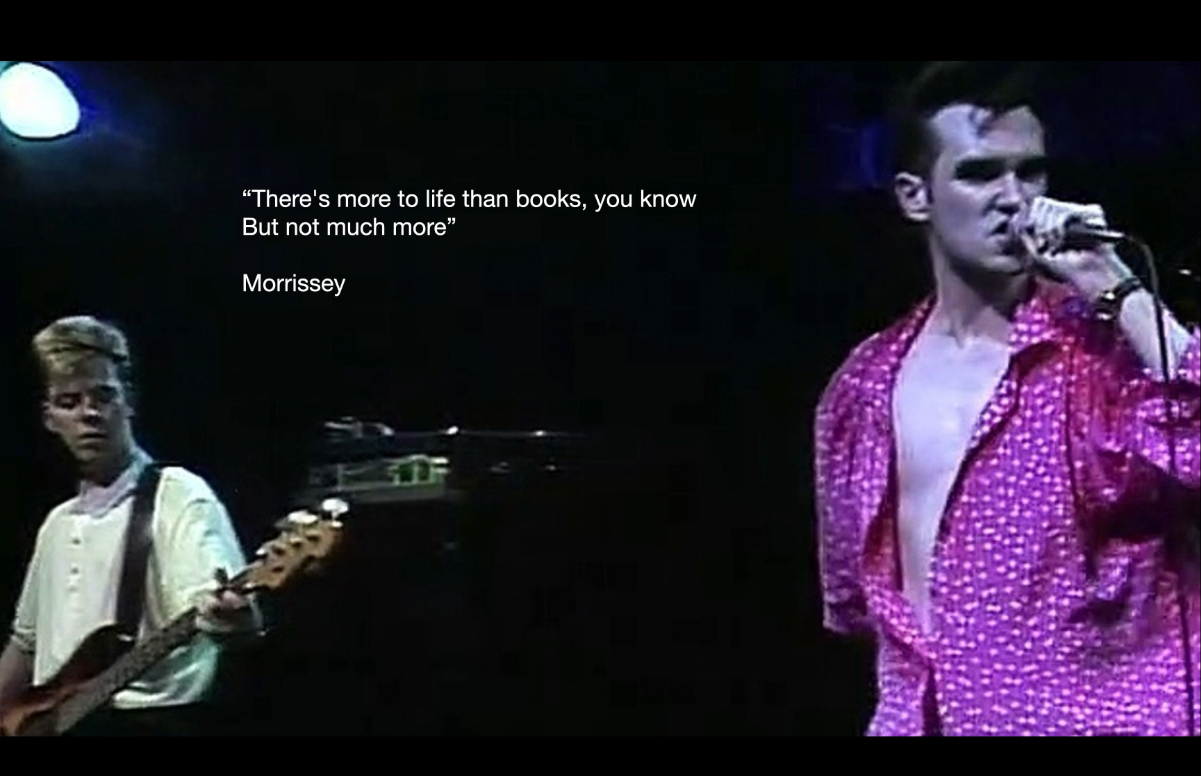
A smart, playful and culturally aware agency
My vision for Ebow has always been fairly simple.
I wanted to run a smart, playful and culturally aware agency. Creativity, and design, matters enormously to me, particularly the role it plays in marketing and technology. Music, books, art and popular culture are some of humanity’s greatest creative achievements. They show us how people think, feel, what they respond to, what they value and how their ideas can become part of culture.
That has always influenced the way I think about Ebow and its the north star of how I manage the agency.
I like our work, our website and the way we present ourselves to sit somewhere in that world: colourful, culturally aware and willing to be a little playful.
Brands don’t have to be boring.
Agencies certainly don’t.
The word I have always wanted people to associate with Ebow is **creative**.
One of the nicest descriptions anyone could give us would be:
**They’re helpful, creative, don’t take themselves too seriously and they get things done.**
Because the last part matters.
Theory is easy. Implementation is very very hard.
I have never wanted Ebow to be an agency that simply tells clients what they should do.
I want us to make things, solve things and help make things happen.
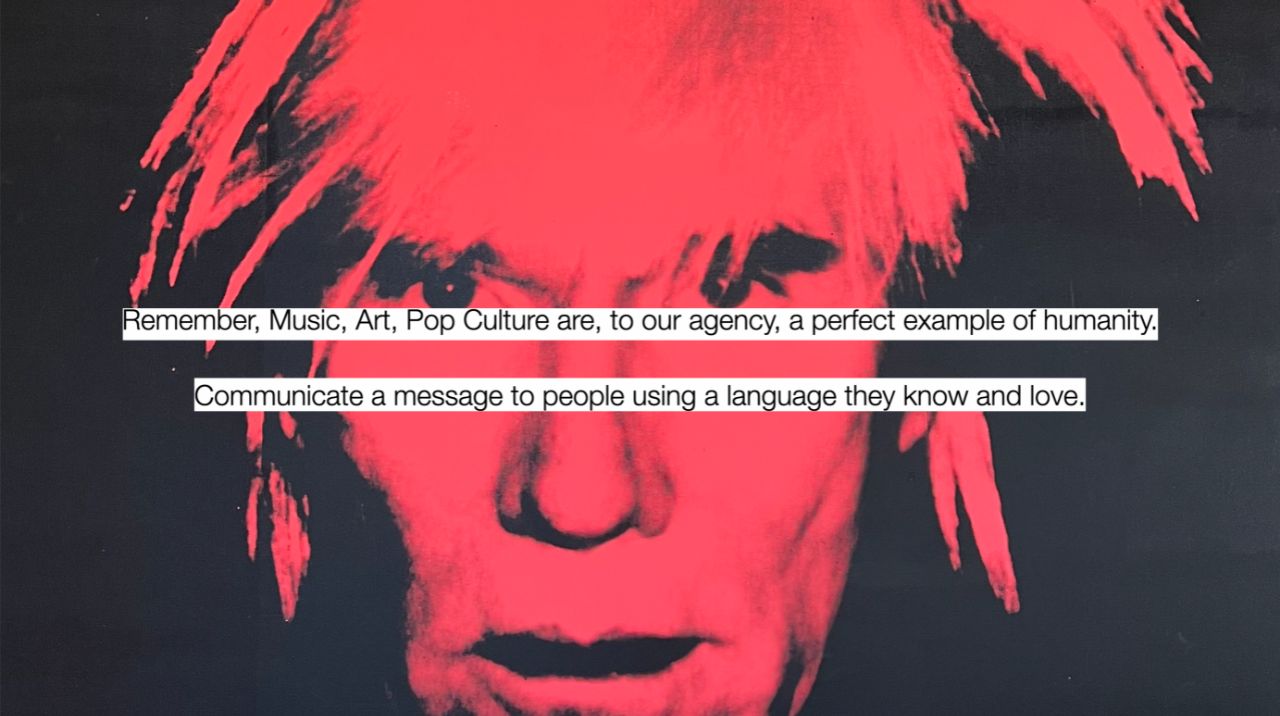
Andy Warhol, Pop Art and colour
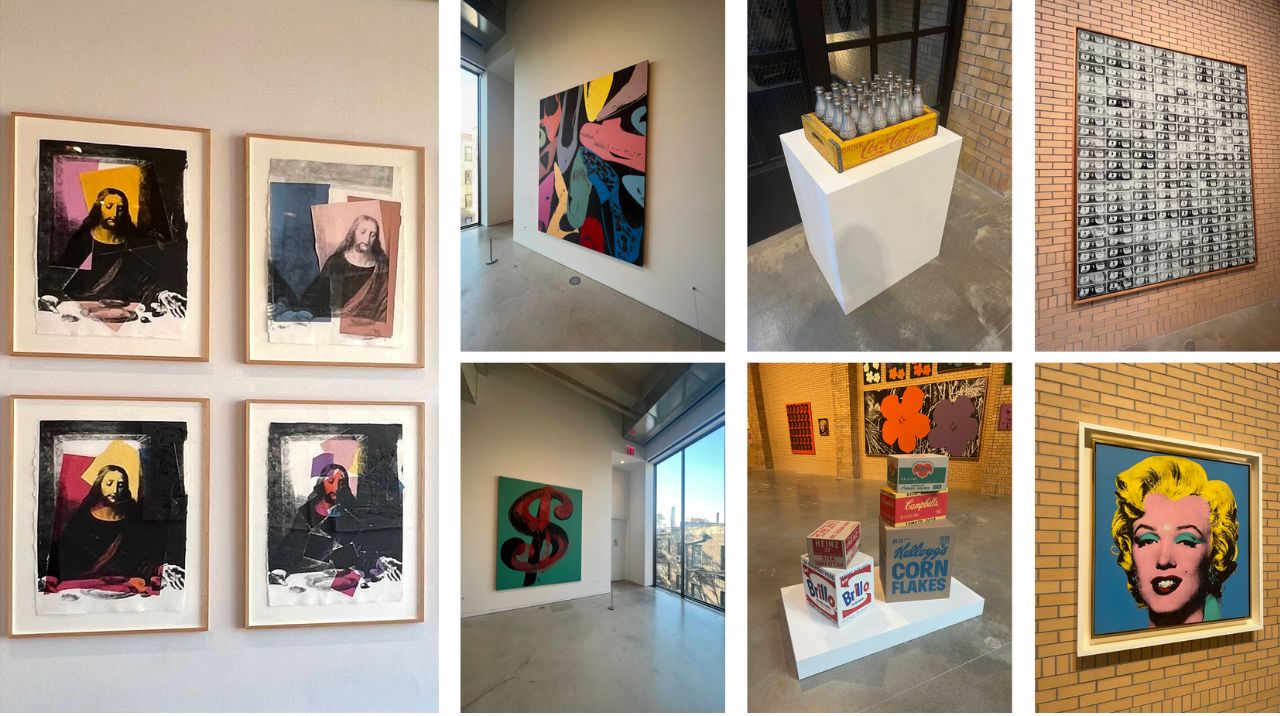
I love Pop Art.
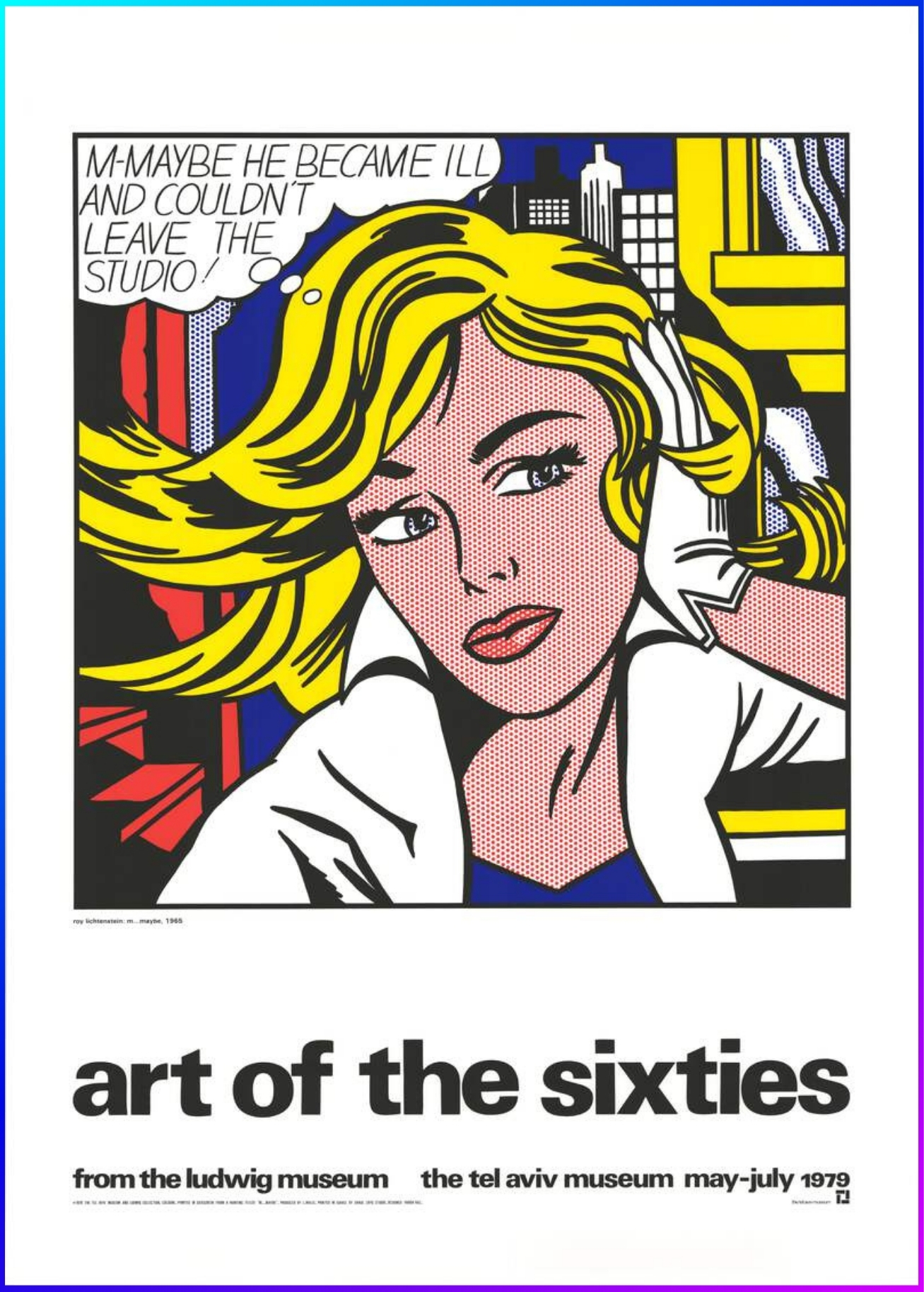
I love its colour, irreverence and ability to find something interesting in everyday life. Warhol, Lichtenstein and the wider Pop Art movement understood the relationship between popular culture, commerce, imagery and repetition long before most people started talking about brands in those terms.
That has always appealed to me.
Clients have often described Ebow, its work and its people as colourful. I take that as a compliment. The Ben-Day dots used by artists like Roy Lichtenstein were my first introduction to what I now consider to be pixels. My fist ever piece of art to hang on my bedroom wall when I was 8 was a Lichtenstein poster I hounded my parents for, bought from We Frame It in Stillorgan, Dublin.
Pop art, colour and popular culture have always been part of the our agency environment, I have always wanted our people and clients to be immersed in it, hence we had our own Ebow Art Gallery in Dublin. Sadly it’s now closed but it’s still runs deep in our ethos.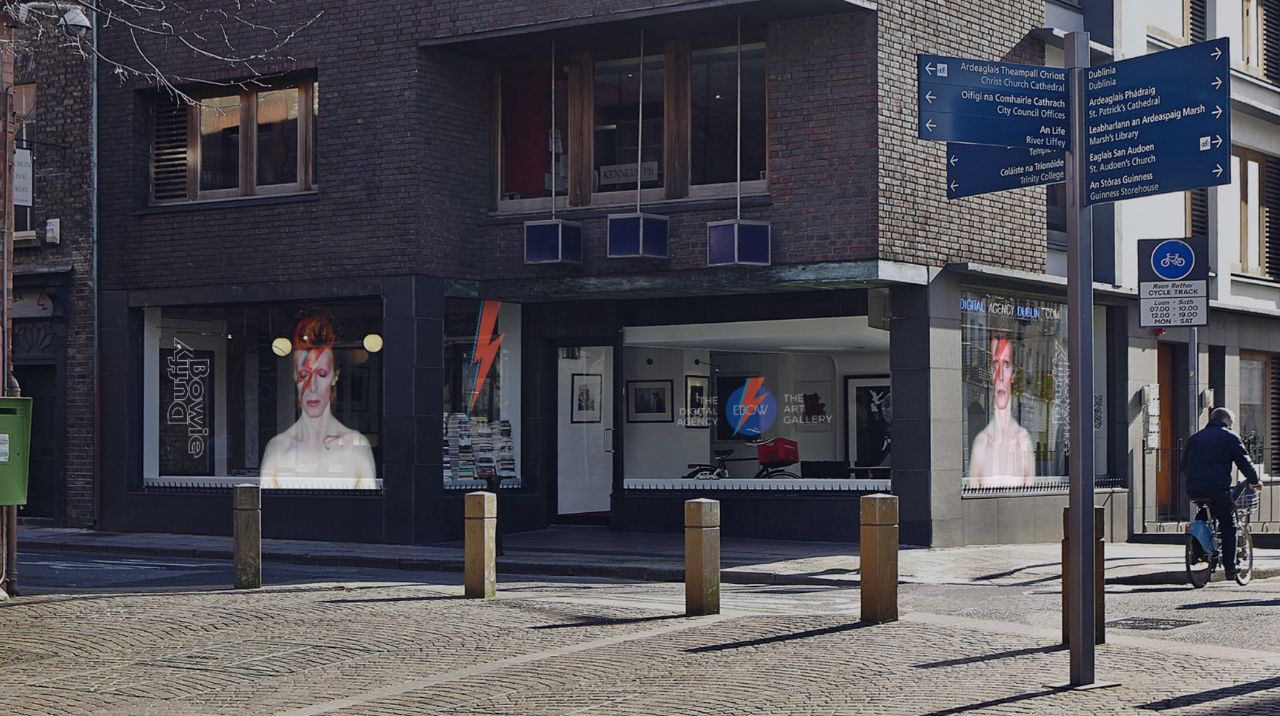
Think Jazz
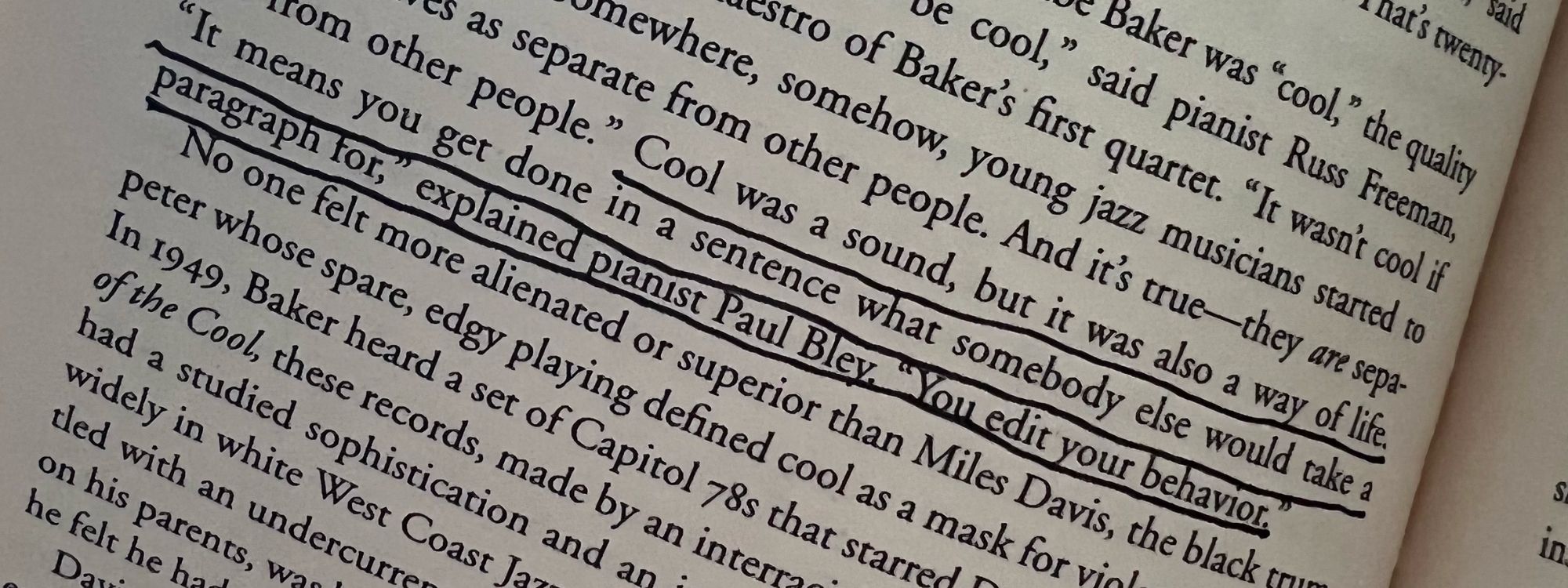
Throughout my twenties I underlined passages in my books.
Looking back at them now, they have become a kind of guide to how I think.
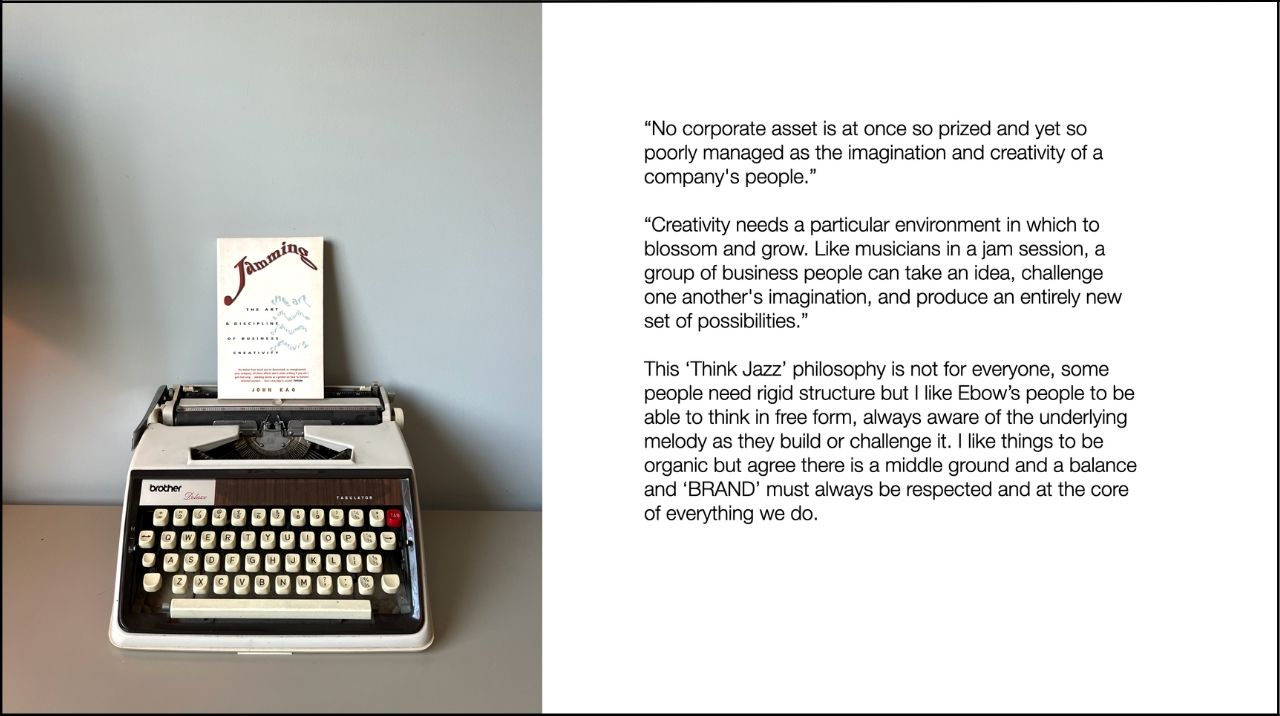
One idea I particularly like is **Think Jazz**.
Jazz has rules, but it also has improvisation.
A musician needs to understand the music well enough to know when they can move away from it. People listen to one another, respond, improvise and occasionally take something in an unexpected direction.
That takes skill and I’ve always thought there is a lesson in that for creative businesses.
A brief gives you the melody.
A brand gives you structure.
But if every person simply plays exactly what is written down, you’re unlikely to create anything particularly interesting. I like people at Ebow to have enough freedom to think in free form, challenge an idea and build on what someone else has done. There has to be balance, of course. The underlying melody still matters.
And for us, that underlying melody is always the brand.
A great song that embodies this thinking is John Coltrane’s version of These Are A Few Of My Favourite Things:
Creativity as a business tool
John Kao’s *Jamming* reinforced that thinking for me.
The idea that groups of smart people can behave like musicians in a jam session makes enormous sense.
One person introduces an idea.
Someone else challenges it.
Another person takes it somewhere new.
The result can be something none of them would have created independently.
That is how I like creative work to happen.
Creativity isn’t something that should only belong to a designer or a creative director. Strategy is creative. Technology is creative. Client services are creative.
Problem-solving is VERY creative.
The important thing is creating an environment where people feel confident and at ease enough to contribute. People should be able to say anything, particularly the things you shouldn’t.
Playing fair
Another influence comes from somewhere completely different.
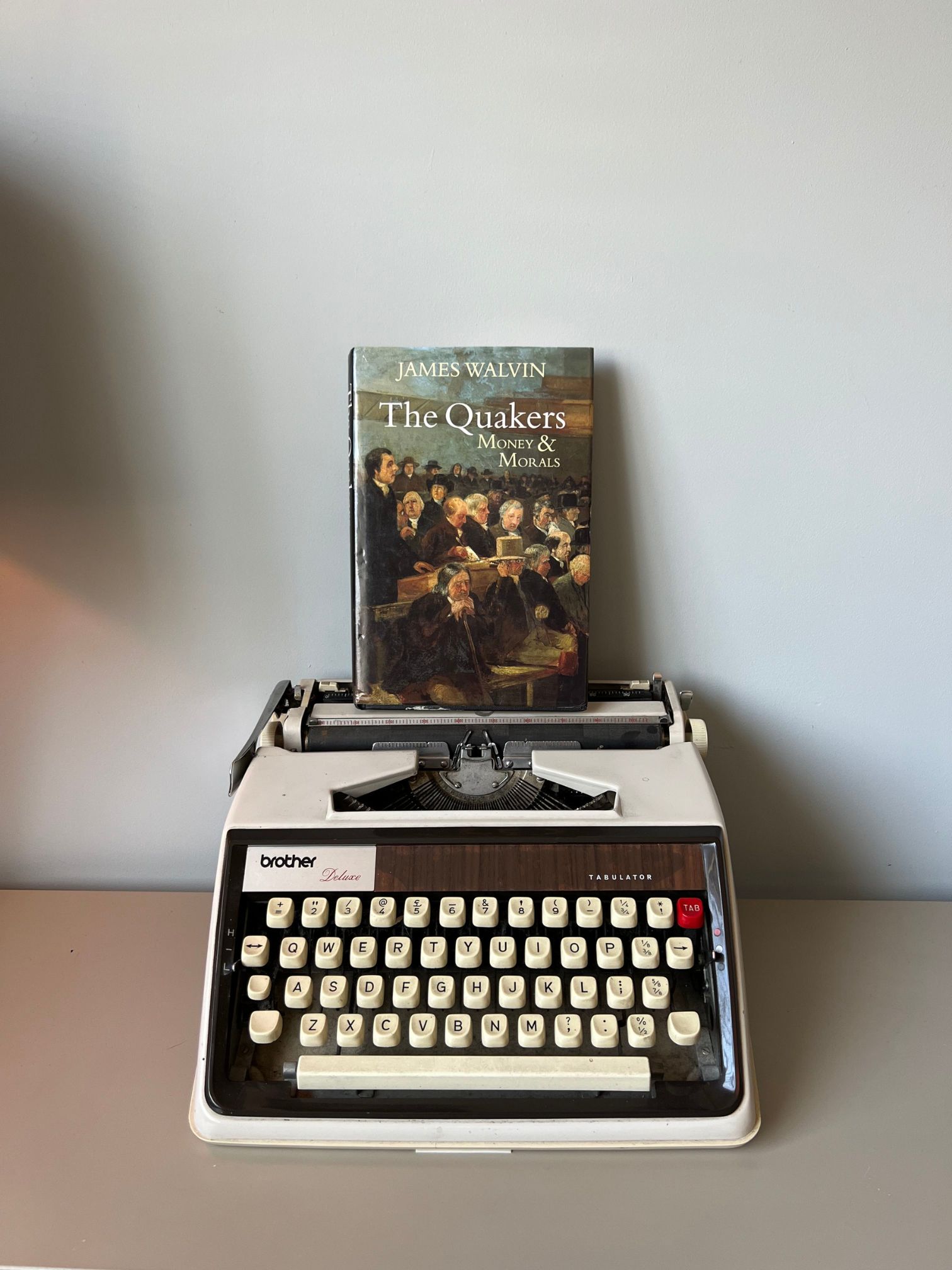
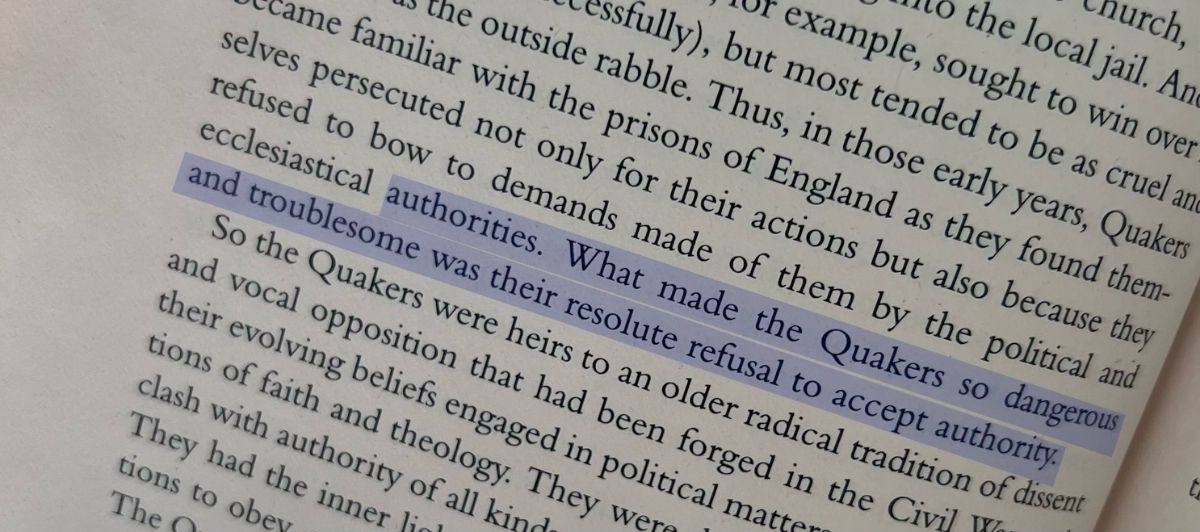
I am of Quaker descent, and while I am not religious, I have always been fascinated by the Quaker approach to business. Historically, Quaker businesses placed enormous value on trust, fairness and reputation. They tended to help one another and believed that good business depended upon treating people properly. Some amazing businesses emerged from that tradition, including Cadbury, Rowntree, Clarks, Barclays and Lloyds.
That philosophy makes sense to me
Business works better when people play fair.
Clients should expect fair treatment from us.
We should expect fair treatment from clients.
People should be treated with respect regardless of their job title.
We should be paid fairly, and in return we should pay fairly.
Hierarchy can occasionally be useful for decision-making, but it shouldn’t determine how much a person’s opinion matters.
Communicating
I spend a lot of time in my own head. I always have. I like it in here!
That can be useful creatively, but it can also make communication more difficult.
Running an agency teaches you very quickly that good communication is one of the most important skills you can develop.
Technology projects can be frustrating.
Creative work is subjective.
People misunderstand each other.
Arguably now more then ever.
Expectations change.
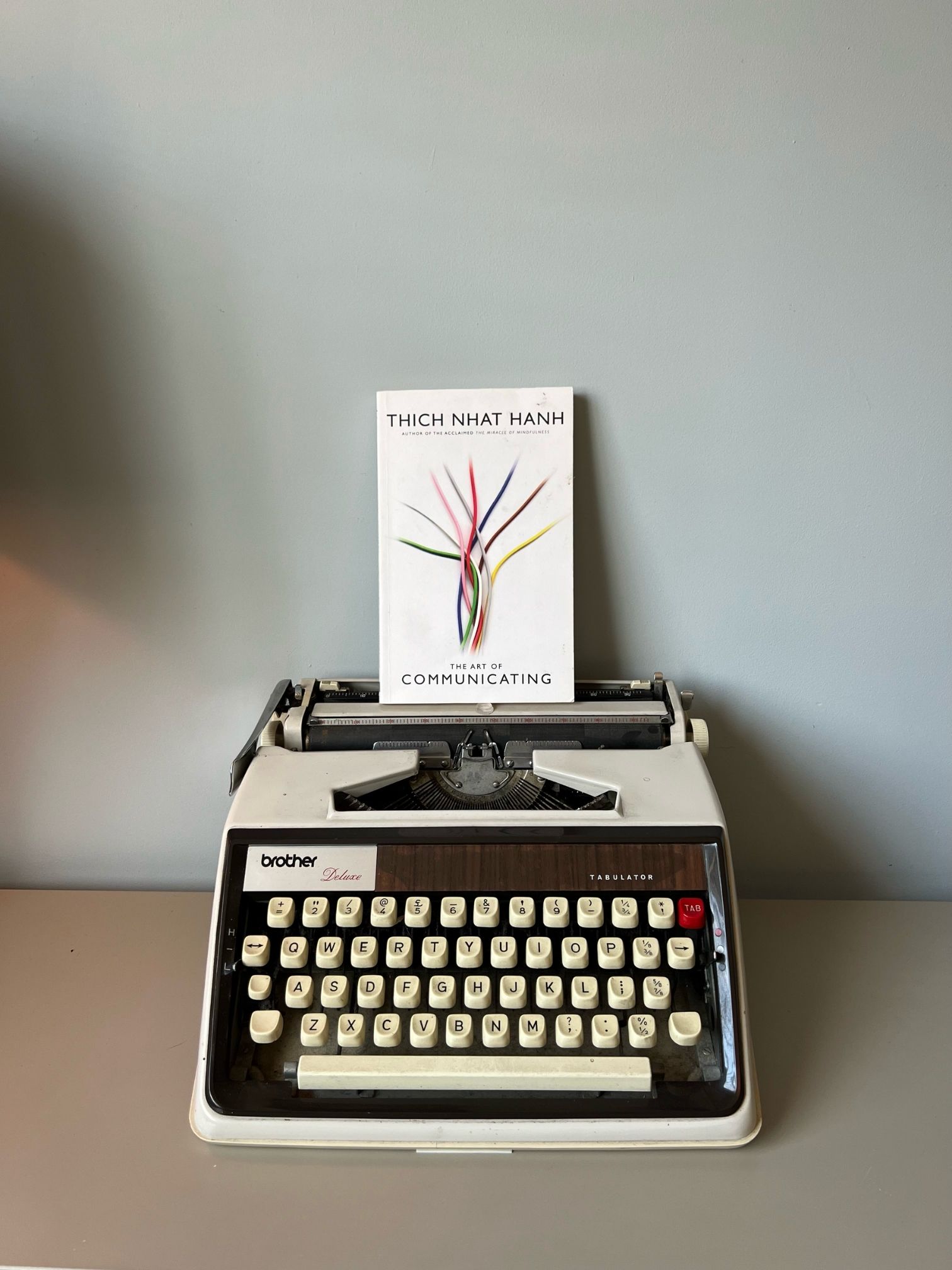
So I started reading Thich Nhat Hanh to think more carefully about communication, patience and understanding other people.
That led me towards Taoism and *The Tao of Pooh*. I try and read this once every year!
I particularly like the idea of going with the flow and trying to **be like water**.
It doesn’t mean having no opinion.
Nor does it mean being a walkover.
It means being adaptable.
That has become increasingly relevant as Ebow has grown because agencies, technology, clients and the world itself are constantly changing and everyone is over-whelmed.
Nobody is the finished article.
Agency life can occasionally make everything seem incredibly important.
A deadline slips.
Something (always) breaks. (Particularly with web design!)
A client is unhappy.
Someone misunderstands an email.
It is useful to remember that there is almost always a space between the problem and your reaction to it.
How you use that space matters.
Calm people generally make better decisions. A lot of us find this hard.
Perspective helps.
Creative work has a job to do
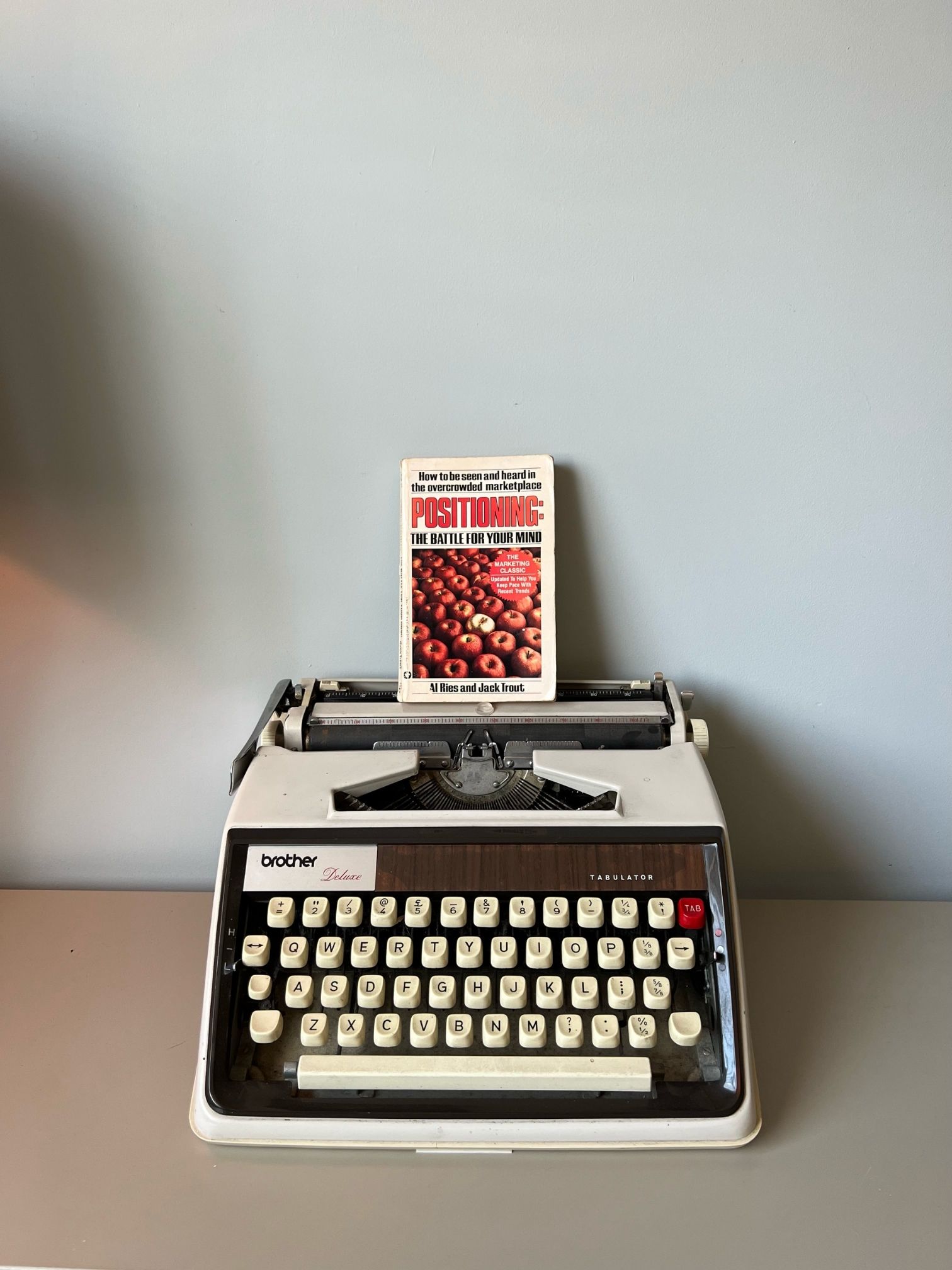
One of the books I think everyone working in an agency should read is *Positioning: The Battle for Your Mind* by Al Ries and Jack Trout. It helped reinforce something I feel very strongly about: creative work has a job to do and it must deliver. Years ago, a designer told me that part of our job was to “make things look pretty.” I disagreed then and I disagree now. A piece of work can be beautiful, but that isn’t enough. Every website, campaign, piece of content and design decision has a business role. It might need to change someone’s perception.
Explain something complicated.
Encourage an action.
Sell something.
Build trust.
Make someone remember.
Ultimately, we’re competing for a position in someone’s mind.
That is why brand matters so much.
Understand the brand.
Understand its essence.
Then create something beautiful and effective that communicates it.
Keep it simple
Another book that had a significant influence on Ebow was Ken Segall’s *Insanely Simple*.
It made me think much more consciously about simplicity.
Simple things are easy to understand, easy to use and often enjoyable to interact with.
But making something simple can be incredibly difficult.
Websites are a perfect example.
Every stakeholder has another requirement.
Every department wants another link.
Every meeting creates another feature.
Complexity gradually creeps in.
The creative job is often not deciding what to add: It’s deciding what you can remove.
People prefer simplicity.
We try to remember that in our websites, our processes and the way we work with clients.
Speak to people in a language they understand
Music, art and popular culture keep appearing in this story because they are important to the way I think about communication.
Popular culture works because people understand it.
It creates shared reference points.
It gives people a language.
One of the simplest ideas in the original Ebow philosophy is still one of my favourites:
**Communicate a message to people using a language they know and love.**
That applies whether you’re creating a national campaign, designing a website or writing a social post.
Understand who you’re talking to.
Then talk like a human being.
The values behind Ebow
After more than 25 years, a few principles have become fairly clear:
We try to be friendly, flexible, helpful and fair. (It’s all laid out in our agency manifesto)
We play fair and expect people to play fair with us.
We like humour and irreverence and try not to take ourselves too seriously.
We believe doing excellent work creates peace of mind.
When things go wrong, we try to respond calmly and communicate clearly.
We put creativity first.
We love technology, but technology is not the reason the agency exists.
And we believe strong businesses are built around strong brands.
None of that is particularly complicated.
Living up to it every day can be.
What Ebow does
The Ebow mission has evolved over time, but the centre of it remains consistent. We bring together creativity and technology with brand, marketing, communications and content. Our team includes strategists, creatives and technologists working together across digital touch-points.
In very simple terms, we create:
**Strategy. Technology. Design. Marketing.**
The disciplines change.
The job doesn’t.
Be a marketing agency that helps a client’s brand communicate more effectively.
The people and brands we’ve worked with
Over the years, Ebow has worked across food and drink, health, travel, entertainment, professional services, government and the not-for-profit sector.
That has included work with organisations such as Kerrygold, HSE, J.P.Morgan, RTÉ, Carbery, Dublin Airport, Trinity College, National Archives, MoLI, Ruhama and many others.
The variety is one of the things I enjoy most about agency life.
One day you’re learning about food marketing.
The next you’re learning about healthcare marketing.
Then tourism, finance, education or culture.
You become professionally curious.
Ebow keeps changing
The agency that exists today is not the agency that existed in 1999.
It shouldn’t be.
In recent years we’ve expanded our capabilities, won new clients, developed new partnerships, strengthened our content and technology offering and grown our presence beyond Ireland.
We’ve also changed the way we think about the agency itself. There is always another version of Ebow ahead of us. That doesn’t mean throwing away what came before.
It means understanding which parts are worth keeping.
Creativity.
Curiosity.
Culture.
Good work.
Good people.
And the ability to change when change is needed.
What comes next?
The next chapter is about continuing to refine what Ebow stands for.
Strengthening the brand.
Explaining our value more clearly.|
Doing better creative work.
Building stronger relationships.
Working with interesting organisations in Ireland, the UK and the USA.
And continuing to evolve without losing the things that made Ebow Ebow in the first place.
That was the intention in 1999.
It still is.
**Go further and go forward.**
Dave.
Check out our agency showreel:
Subscribe to Ebow Digital on YouTube